

black round mirror with light
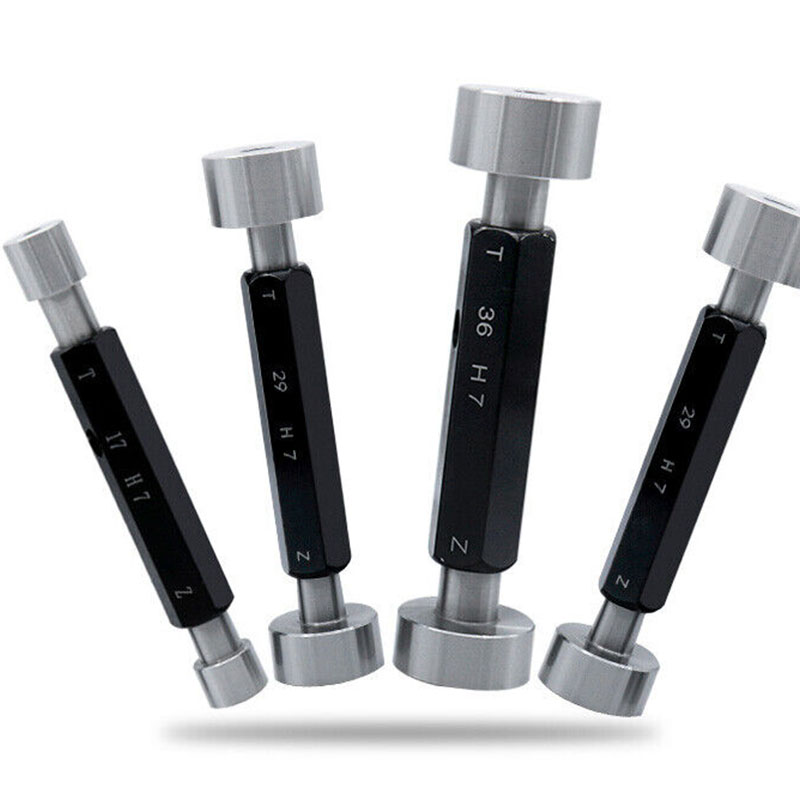
Understanding Thread Gauge Types A Comprehensive Guide Thread gauges are essential tools in the manufacturing and engineering sectors, used primarily to measure the pitch and diameter of threads on bolts, screws, and other fasteners. Understanding the different types of thread gauges is crucial for quality control, ensuring that screws and bolts fit together perfectly, and that machinery operates smoothly. In this article, we will explore the various types of thread gauges, their functions, and their applications. 1. Types of Thread Gauges When discussing thread gauges, we generally categorize them into several main types - Go/No-Go Gauges These are the most common types of thread gauges used in industry. A Go gauge checks if the thread form is acceptable, while a No-Go gauge tests whether it exceeds specified limits. If a bolt passes the Go gauge but fails the No-Go gauge, it meets the necessary standards. - Pitch Gauges These gauges are designed to measure the pitch of the threads. Pitch is the distance between adjacent threads, and it’s crucial for ensuring compatibility between threaded components. Pitch gauges usually consist of a series of teeth or blades, each corresponding to a specific pitch measurement. - Thread Calipers These precision tools measure the diameter of threaded objects. They can be digital or mechanical, allowing for highly accurate measurements across a variety of thread sizes and types. - Plug Gauges Plug gauges are cylindrical tools used to measure internal threads. They come in Go and No-Go types, similar to other gauges, and are essential for checking the thread alignment and dimensional accuracy of holes. - Thread Rings These gauges are specifically used for checking external threads. Made to the same standards as plug gauges, thread rings can verify external thread dimensions, thus ensuring proper fit with nuts and other threaded pieces. 2. Material Considerations Thread gauges can be made from various materials, including steel, carbide, and stainless steel. The choice of material often depends on the application and the level of precision required. For instance, carbide gauges, while more expensive, offer higher durability and reduced wear, making them suitable for high-volume production environments. thread gauge types 3. Importance of Thread Gauges Thread gauges play a pivotal role in ensuring the quality and compatibility of threaded components. In many industries such as aerospace, automotive, and construction, the precision of threaded elements is critical. Misaligned or poorly fitting threads can lead to catastrophic failures, equipment malfunctions, and increased costs due to repairs and downtime. Moreover, using thread gauges at different stages of the manufacturing process ensures that components meet industry standards. Regular calibration and maintenance of gauging tools are equally important to maintain measurement accuracy. 4. Best Practices for Use To effectively utilize thread gauges, follow these best practices - Regular Calibration Ensure that gauges are calibrated regularly to maintain accuracy. Even minor deviations can have significant implications in precision engineering. - Use Proper Techniques Familiarize yourself with the correct techniques for measuring threads, including how to hold the gauge securely and apply appropriate pressure during measurement. - Documentation Maintain detailed records of measurements and any issues encountered during the gauging process. This helps in identifying trends and potential areas of improvement in the manufacturing process. - Training Proper training for personnel who handle thread gauges is critical. Understanding how to read gauge measurements and interpret results correctly is vital for maintaining quality standards. Conclusion Thread gauges are indispensable tools in various industries, ensuring that threaded components meet strict engineering requirements. By understanding the different types of gauges, how to use them effectively, and recognizing their importance in quality control, manufacturers can significantly enhance their productivity and ensure the safety and functionality of their products. Whether it's a simple bolt or a complex machine part, the accuracy provided by thread gauges plays a vital role in maintaining high manufacturing standards.
about
black round mirror with light
Understanding the Ring Screw Gauge An Essential Tool for Precision Measurement In the world of engineering and manufacturing, the accuracy of measurements plays a crucial role in ensuring that components fit perfectly and function as intended. One of the tools that professionals frequently use to achieve this level of precision is the ring screw gauge, often simply referred to as a screw gauge or micrometer. This specialized instrument allows for the exact measurement of diameters, thicknesses, and depths, making it indispensable in various fields such as mechanical engineering, metalworking, and quality control. What is a Ring Screw Gauge? A ring screw gauge functions based on a screw mechanism, providing linear measurements with high precision. The device typically consists of a cylindrical ring with a finely threaded screw that moves perpendicularly to the axis of the ring when turned. The distance that the screw moves correlates directly to the measurements taken. Depending on the model, the screw gauge can measure in millimeters or inches, making it versatile for different applications. The ring part of the screw gauge is designed to encircle an object being measured, such as a wire, rod, or rod end. The fit between the ring and the object provides a method for determining its diameter. The screw mechanism, which allows for minute adjustments, gives users the ability to take extremely precise measurements, often down to a thousandth of a millimeter. How to Use a Ring Screw Gauge Using a ring screw gauge is relatively straightforward, although it does require some basic knowledge and practice. Here’s a step-by-step guide on how to use this instrument effectively 1. Preparation Make sure the screw gauge is clean and free from dust or grease . Any contaminants can affect measurement accuracy. 2. Calibration Before measuring, calibrate the gauge by closing it until the two surfaces meet without any gap. This setting ensures that the measurement starts from a known baseline. 3. Placement Open the ring slightly and place it around the object whose diameter you wish to measure. Ensure that the object fits snugly within the ring. 4. Adjustment Slowly turn the screw until it makes contact with the surface of the object. It is crucial to apply gentle pressure to avoid deforming soft materials or damaging the gauge. ring screw gauge 5. Reading the Measurement Once the screw is in place, read the scale on the gauge. Most models feature a main scale and a vernier scale, allowing for precise readings. 6. Record Keeping After obtaining the measurement, make sure to document it accurately for quality assurance or further processing. Advantages of Using a Ring Screw Gauge The ring screw gauge offers numerous advantages over other measurement tools - High Precision With the capability to measure in very fine increments, the ring screw gauge is ideal for applications where exact measurements are critical. - Durability Typically made from high-quality steel or other durable materials, these gauges are built to withstand the rigors of professional use, ensuring longevity. - Ease of Use Once familiar with the instrument, users can quickly and effectively measure various components, contributing to enhanced productivity on the shop floor. - Versatility Suitable for measuring a wide range of materials, including metals, plastics, and composites, the ring screw gauge is an essential tool in many industries. Conclusion In conclusion, the ring screw gauge is a vital instrument that exemplifies the precision needed in modern engineering and manufacturing. By allowing precise measurements of diameter and thickness, it contributes significantly to the quality standards in production processes. Understanding how to use this tool effectively not only enhances the accuracy of measurements but also supports the overall efficiency and success of engineering projects. Whether you are a seasoned engineer or a student learning the ropes, mastering the ring screw gauge is a crucial step in developing your measurement skills and ensuring operational excellence.
-

High quality industrial productsagement

High quality industrial products
View Details -

Meet the diverse needs of customers

Meet the diverse needs of customers
View Details -

Strict quality control

Strict quality control
View Details -

Top raw materials

Top raw materials
View Details -

Trusted supplier

Trusted supplier
View Details
Our application
news and information
Valve Types for Industrial Applications
As a wholesaler in the industrial equipment sector, understanding the diverse valve types available

V-Block Technology Revolutionizing Manufacturing Precision and Efficiency
The Paradox of V Block V Block Navigating the Dual Realities of Virtual and Physical Worlds In the
Versatile Metal Saddle Clamp for Securely Holding Pipes and Tubing in Various Applications
The Importance of Metal Saddle Clamps in Modern Applications In the world of engineering and constru
 English